

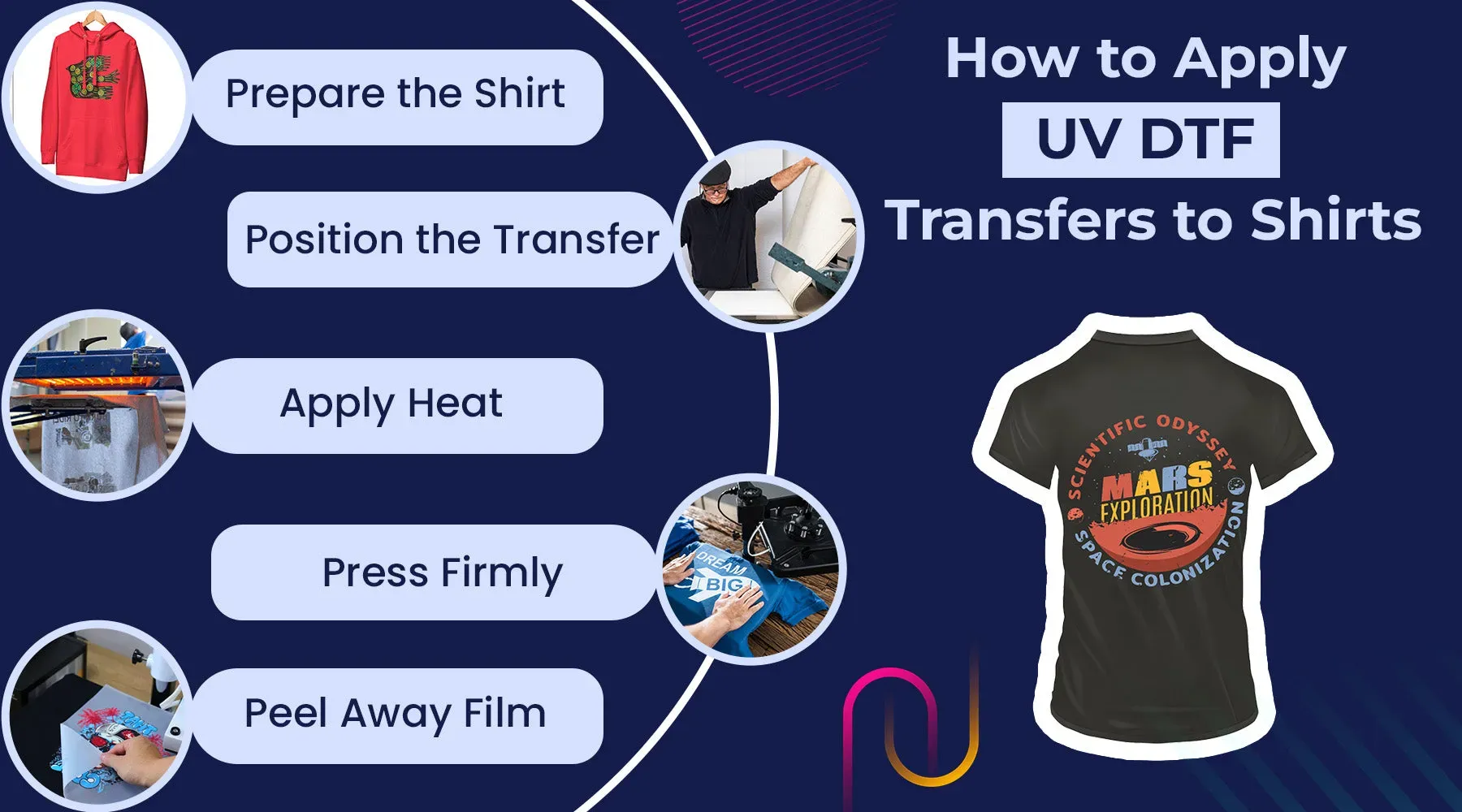
UV DTF transferred garment care opens up exciting design possibilities while demanding mindful, consistent routines to preserve vibrancy, soften textures, and safeguard longevity across seasons. When you invest in UV DTF transfers, you’re not just buying a print; you’re adopting a care routine that protects ink, fabric, and the overall look while accommodating everyday wear and washing. This approach helps preserve print quality, prevent peeling, and keep colors bright through many washes, with attention to edges, seams, and the delicate surface of the film. A practical care plan translates field-tested tips into everyday steps that balance comfort with durability, ensuring prints stay sharp as fabrics stretch and move. By following careful laundering steps and choosing milder detergents, you can enjoy longer-lasting results across a range of fabrics and finishes.
Beyond the introductory scope, this discussion reframes UV DTF care into a broader garment maintenance concept for UV-infused textiles, emphasizing durability, color retention, and safe handling of the printed layer. Think of this as a routine that combines heat management, gentle washing, and mindful drying to protect the transfer’s bond while honoring the fabric’s own needs. Following latent semantic indexing principles, we use related terms and synonyms like UV-printed garments, printed textiles care, and coating-assisted transfers to signal a cohesive topic without keyword stuffing. A practical takeaway is to favor the mildest effective detergent, wash on a gentle cycle, and minimize direct exposure to heat and sun, which can undermine adhesion and color stability. In this vein, you can apply the idea of DTF printing care to a wide range of materials, from cotton blends to synthetics, while still honoring the unique needs of the UV layer. To help with consistency, consider labeling care instructions on each item and building a simple, repeatable routine that reduces friction during washing and drying. Ultimately, the goal is a wardrobe of prints that stay bright and supple, with edges that remain crisp and colors that resist fading after many cycles. Finally, track outcomes by observing wear over several cycles and adjusting care steps to align with fabric type and transfer performance. With steady practice, UV DTF prints can maintain vibrancy longer, delivering reliable style and value for teams, brands, or personal wardrobes.
Understanding UV DTF Transferred Garments and Care Implications
UV DTF transfers combine direct-to-film printing with a UV-curable layer to deliver vivid colors on a range of fabrics. This dual-layer approach can provide exceptional color fidelity and durability, but it also means that care routines must be mindful of how heat, moisture, and detergents interact with the adhesive and inks. Understanding how UV DTF transfers behave on different fibers helps tailor care to each garment, aligning with the broader principles of DTF printing care and garment care for printed textiles.
Because the print sits on the surface of the fabric, careless handling or harsh washing can compromise adhesion or edge integrity. This makes gentle handling, controlled washing, and thoughtful drying essential. By recognizing how the print-fabric interface responds to everyday wear, you can apply care guidelines for UV printed garments that preserve color brightness and print longevity over many wears.
Core Principles of UV DTF Transferred Garment Care
The foundation of UV DTF garment care rests on five pillars: gentle handling, temperature and moisture control, careful detergent choice, mindful drying, and smart pre-wash preparation. Avoiding abrasive cycles and rough detergents helps preserve the surface finish and adhesion, while moderate heat management protects both the fabric and the transfer.
Implementing these principles means selecting mild, color-safe detergents, avoiding solvents or chlorine-based cleaners, and drying with care. These practices align with general DTF printing care concepts and the broader idea of garment care for printed textiles, ensuring the transfer remains secure and colors stay vibrant through repeated laundering.
Washing Guidelines for UV DTF Transferred Garments
The wash routine for UV DTF transfers prioritizes cool to warm water (up to about 40°C/104°F) on a gentle cycle, as higher temperatures can accelerate color fading and weaken the transfer bond over time. Mild, enzyme-free detergents designed for colored fabrics help protect both the garment and the print. Avoid bleach and solvents that could interact with the adhesive or inks.
Washing inside out reduces surface friction that can wear the transfer and helps preserve edge definition. Balancing the load by washing with similar fabrics minimizes abrasion, while spot-treating stains away from the printed area protects the design. These practices reflect the wash guidelines for DTF transfers and fit within broader care guidelines for UV printed garments.
UV DTF transferred garment care: Drying, Ironing, and Finishing
Drying is a critical stage for preserving print integrity. Air drying—hanging or laying flat away from direct sunlight—is the safest option, as it minimizes heat exposure that can degrade inks and adhesives. If you must use a dryer, choose a low heat or delicate cycle and remove the garment promptly to reduce wrinkling and stress at the transfer edges.
When ironing is necessary, always apply heat to the reverse side or place a protective cloth between the iron and the print. Avoid direct heat on the printed area, which can soften the adhesive or alter the finish. Proper storage—keeping garments away from direct sun or heat sources—helps prevent color fading and extends the life of UV DTF transfers, reinforcing care guidelines for UV printed garments.
Fabric Compatibility and Detergents for UV DTF Transfers
UV DTF transfers perform best on cotton and cotton blends, with synthetic fabrics and poly blends also compatible under lighter heat settings. Always consider the garment’s heat tolerance and adjust dryer times accordingly to preserve adhesion and color. Dark fabrics may show color shifts before the transfer fully settles after multiple washes, but proper care helps normalize results over time.
Detergents should be mild and color-safe, with enzymes avoided to reduce friction that can abrade the surface. Fabric softeners can leave residues that affect feel and adhesion, so use sparingly or skip altogether. Bleach and solvent-based cleaners are best avoided to protect the adhesive layer and pigment stability, aligning with general DTF printing care norms and the idea of garment care for printed textiles.
Troubleshooting, Long-Term Care, and Common Mistakes to Avoid
Common issues include fading colors after many washes, cracking or peeling edges, and a stiffer or rough surface texture. These symptoms often point to elevated wash temperatures, aggressive drying, or direct heat applied to the printed area. Reassessing the wash temperature, reducing dryer time, and avoiding direct ironing on the print can help recover and preserve print quality.
For long-term care, practice rotation of UV DTF transferred garments to spread wear, wash prints less aggressively when feasible, and document care instructions on the label for consistency. Be mindful of UV exposure, which can dull colors over time, and store garments in shaded or indoor conditions. These strategies reflect care guidelines for UV printed garments and the broader principles of DTF printing care to maximize lifespan and joy of use.
Frequently Asked Questions
What is UV DTF transferred garment care and why is it important?
UV DTF transferred garment care is the set of practices used to preserve color, adhesion, and fabric quality for garments printed with UV DTF transfers. Following gentle washing, cool water, mild detergents, turning the garment inside out, and air drying helps protect the print and extend its lifespan.
What are the wash guidelines for DTF transfers to maintain UV DTF transferred garment care?
Wash guidelines for DTF transfers include using cool to warm water (up to 40°C/104°F) on a gentle cycle, choosing mild color-safe detergent, turning the garment inside out, and avoiding bleach or solvents that can weaken the transfer.
In terms of DTF printing care, what steps should I follow to preserve UV DTF transferred garments during washing and drying?
DTF printing care recommends mild, enzyme-free detergents, washing with similar fabrics, and avoiding high heat. If you dry, use a low heat/delicate setting and remove promptly to prevent heat-related damage.
How does garment care for printed textiles apply to UV DTF transferred garments across fabrics like cotton and synthetics?
Garment care for printed textiles should be adapted by fabric type. Cotton and cotton blends are generally robust with proper care, while poly blends and synthetics need lower heat. Pre-wash when possible and avoid aggressive rubbing to protect the transfer.
What are the care guidelines for UV printed garments regarding heat, detergents, and drying?
Care guidelines for UV printed garments suggest using gentle heat, mild detergents, and air drying when possible. Avoid chlorine bleach and solvents, and iron on the reverse side or with a barrier to protect the print.
What troubleshooting tips fall under UV DTF transferred garment care for issues like color fading or peeling?
For issues like fading or peeling, review wash temperature and detergent choice. Switch to cooler cycles, milder detergents, and avoid direct heat on the print; opt for air drying to help maintain adhesion and color integrity.
| Topic | Key Points |
|---|---|
| Understanding UV DTF Transfers | DTF stands for direct-to-film. UV-curable layer helps inks stay vivid on fabrics and finishes, enabling strong color reproduction and durability. However, improper washing or heat exposure can affect adhesion or color fidelity. Knowledge of how UV DTF transfers interact with different fibers helps tailor care to each garment. |
| Key Principles of UV DTF Transferred Garment Care | Gentle handling preserves adhesion and finish; abrasive cycles or rough detergents wear away the transfer surface over time. Temperature and moisture management are critical; high heat, prolonged moisture, and direct sunlight can affect adhesion and color stability. Detergent choice matters; harsh chemicals, bleach, or strong solvents may degrade the adhesive layer or inks. Drying methods influence longevity; air drying is gentler than high-heat tumble drying. Pre-wash preparation minimizes friction; turning inside out, washing with similar fabrics, and mild detergents help long-lasting results. |
| Washing Guidelines for UV DTF Transferred Garments | Cool to warm water (max 40°C/104°F) on a gentle cycle to preserve color and adhesion. Use mild, enzyme-free detergents designed for colored fabrics; avoid bleach and solvents or optical brighteners. Turn garments inside out to shield the surface. Wash with similar fabrics to minimize rubbing and crowding. For stains, use gentle spot treatment rather than applying directly to the transfer area. |
| Drying and Finishing Tips | Air drying is safest: hang dry or lay flat away from direct sunlight. If using a dryer, select a low heat or delicate cycle and remove promptly. Iron on the reverse side or with a protective cloth; avoid direct heat on the printed area. Store garments away from direct sun or heat sources to prevent fading. |
| Fabric and Print Compatibility | Cotton and cotton blends are generally robust and forgiving. Poly blends and synthetic fabrics can perform well but watch heat tolerance; use lower dryer settings and avoid high heat. Dark fabrics may show muted colors before washing, but transfer should normalize after several cycles; follow care guidelines for all fabrics. |
| Detergents, Softeners, and Other Agents | Use mild, color-safe detergents; blends may benefit from formulas designed for synthetic fabrics. Use fabric softeners sparingly or avoid; residues can affect adhesion or feel. Avoid chlorine bleach and solvent-based cleaners. Oxygen-based cleaners can help with certain stains but avoid harsh boosters that may interact with the transfer. |
| Troubleshooting Common Issues | Fading colors after many washes may be due to higher wash temperature or harsher detergents—try cooler cycles or milder formulas. Cracking or peeling edges often come from high heat during washing, drying, or ironing—switch to cooler cycles and shorter dryer times, avoid direct heat. A stiff or rough surface may indicate residue buildup or insufficient rinsing—consider air drying and thorough rinsing. Peeling after ironing requires a barrier between heat and print or steaming from a distance. |
| Long-Term Care and Storage Practices | Rotate UV DTF transferred garments with others to spread wear. Wash prints less aggressively when possible and spot clean to minimize full wash cycles. Limit UV exposure by drying in shade or indoors. Document care instructions on the label for consistency. |
| Common Mistakes to Avoid | Washing at temperatures above recommended levels. Using bleach, solvents, or strong cleaners on UV DTF garments. Ironing directly on the print without a barrier. Overloading or underloading the machine. Skipping pre-wash steps or not turning the garment inside out before washing. |
Summary
UV DTF transferred garment care is a practical routine built around gentle washing, mindful drying, and smart heat practices. By following these guidelines, you preserve color vibrancy, maintain adhesive integrity, and extend the life of your UV DTF transfers. Tailor the routine to fabric types and transfer specifics, using mild detergents, avoiding high heat, and prioritizing air-drying when possible to ensure consistent, long-lasting results.