

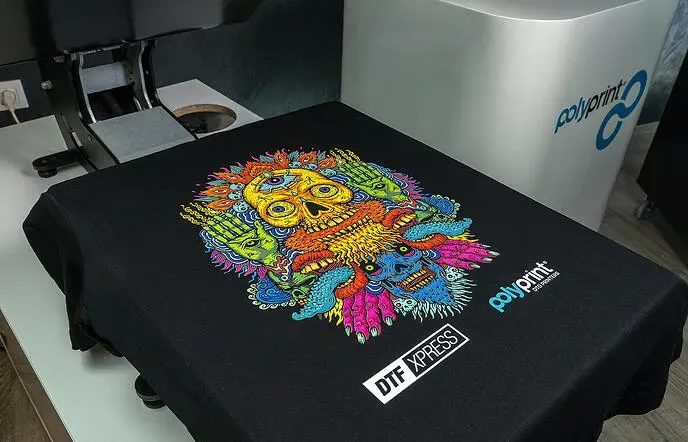
DTF garment prints have transformed how designers achieve bold, scalable imagery on textiles, combining color depth with broad fabric compatibility. By transferring a printed film onto fabrics with adhesive and heat, this method delivers vibrant garment prints, good coverage, and reliability across cotton, blends, and more. For brands aiming to outfit T shirts, hoodies, and performance wear, understanding the core factors behind color fidelity and durable garment prints is essential. This guide shares ten expert tips on design preparation, materials, equipment, and care that help you maximize the potential of DTF printing on garments. Following these tips improves color accuracy, wash durability, and overall print quality, so you can deliver high-quality products that stand the test of time.
From a terminology standpoint, this technique is often called direct-to-film textile transfer or film-on-fabric printing, a process that sits between traditional screen printing and heat-press methods. Latent Semantic Indexing-inspired terms include digital ink transfer for textiles, film-based garment art, and color-rich fabric graphics, all signaling the same core idea of transferring designed imagery via a printable film. To optimize outcomes, consider practical DTF printing tips that cover ink character, substrate compatibility, and post-press care to maintain color, texture, and wash durability.
DTF Printing on Garments: Techniques for Vibrant and Durable Results
DTF printing on garments has transformed how designers achieve vibrant, durable results on a wide range of fabrics. To maximize impact, start with a design that is high resolution (ideally 300 dpi at final print size) and manage color with printer-friendly profiles. A comprehensive, color-managed workflow—using ICC profiles that align with your printer, film, and ink set—helps prevent banding and color shifts, ensuring that the final garment prints stay vivid under different lighting conditions.
Beyond design, the choice of materials and process settings drives long-term quality. Calibrated color, proper powder adhesion, and careful pre-press preparation all contribute to crisp edges and solid coverage. When these elements come together, you achieve vibrant garment prints that remain durable through multiple wash cycles and active use, keeping your t-shirts, hoodies, and activewear looking bright and professional.
Choosing Quality Film, Adhesives, and Powder for Durable DTF Garment Prints
The film, adhesive, and powder you select have a major impact on print durability and appearance. Look for films engineered for strong white coverage and powders that apply evenly without specks or clumps. A reliable adhesive layer helps the print survive repeated washing, while manufacturer-guided powder adhesion ensures uniform coverage before curing.
Following best practices for powdering and pre-press further strengthens durability. A light, even coat reduces texture and pinholes, and pre-pressing helps remove moisture and flatten fabric surfaces. Together, these steps minimize defects and support consistent, durable DTF garment prints that resist washing and abrasion.
Fabric Knowledge and Color Strategy for Vibrant DTF Garment Prints
Fabrics vary in how they accept ink, so understanding fiber content, weave, and stretch is essential for vibrant garment prints. Cotton, blends, and polyesters each respond differently, with light fabrics typically yielding brighter results than dark fabrics. Plan color expectations accordingly and consider an extra white underbase or lighter print elements when working with darker materials to maximize contrast.
Choosing the right fabric also influences durability. Consider how the weave and surface texture will hold the printed film, and anticipate how washing and wear may affect the print. By aligning fabric choice with design intent and color strategy, you can achieve vibrant garment prints that stay visually strong through the life of the garment.
Printer Calibration, RIPs, ICC Profiles, and DTF Printing Tips for Consistent Color
Color accuracy starts with printer calibration and a controlled workflow. If possible, use RIP software to manage color output and apply ICC profiles that match your DTF inks, film, and heat press setup. Regular calibration helps maintain batch-to-batch consistency, ensuring that your vibrant garment prints stay true to the original design.
Incorporating practical DTF printing tips—such as thoughtful layer management, accurate white underbase use, and calibrated heat-press parameters—further stabilizes color and texture. A disciplined color-managed process reduces surprises across production runs, helping you deliver consistent, high-quality prints that customers can trust.
Heat Press, Layering, and Care: Strategies for Long-Lasting DTF Garment Prints
Effective heat press settings, proper layering, and clean edge handling are key to durable DTF garment prints. Typical ranges for cotton and cotton blends are around 160 C to 170 C (320 F to 338 F) with medium to firm pressure for 10 to 15 seconds, plus a brief post-press cooldown before peeling. Choosing the right peel strategy and timing helps prevent ghosting and preserves color vibrancy over time.
Post-press care and customer guidance are essential to longevity. Advise washing inside out in cold water, using mild detergents, and avoiding chlorine bleach. Air drying or low-heat tumble drying helps maintain adhesion and color fidelity, ensuring that your prints remain vibrant and durable through repeated washes and regular wear.
Frequently Asked Questions
What factors drive vibrant DTF garment prints and how can you optimize them?
Vibrant DTF garment prints begin with a high quality design and solid color management. Use artwork at 300 dpi or higher and apply printer friendly ICC profiles. Regular printer calibration and a RIP workflow help keep colors consistent across runs. Choose a high quality DTF film, reliable adhesive powder, and use a strong white underbase for dark fabrics to maximize brightness. Pair these with proper heat press settings and a careful peel strategy to preserve color fidelity after washing.
What materials should you select to achieve durable DTF garment prints?
Durable garment prints rely on three material pillars: film engineered for strong white coverage, an even adhesive powder, and reliable curing. Choose films designed for good white coverage and powders that apply evenly without specks, following manufacturer guidelines for adhesion and cure. Consider fabric type since cotton, blends, and polyesters respond differently and may require different underbase levels for longevity.
What heat press settings and workflow are recommended in DTF printing tips to produce reliable DTF garment prints?
Begin with 160 to 170 C (320 to 338 F) and medium to firm pressure for 10 to 15 seconds. Pre press to remove moisture and flatten the fabric surface, then apply the transfer with even pressure. Peel while still warm if your film recommends it, and perform a second light press to set the print. Using a RIP or ICC profiles helps manage color and improves consistency for DTF garment prints.
Why does fabric choice affect color and durability in DTF garment prints?
Different fabrics absorb ink differently, affecting vibrancy and longevity. Light fabrics usually yield brighter prints, while dark fabrics may need a white underbase for proper contrast. Fiber content, weave, and stretch influence how the print settles and withstands washing, so plan color layers and underbase accordingly to maintain vibrant garment prints.
What care steps help preserve durable DTF garment prints through washing and wear?
Educate customers to care for the prints. Wash inside out in cold water with mild detergents, and avoid chlorine bleach. Air dry or tumble dry on low heat to protect color and adhesion. Excessive heat or aggressive washing can dull colors and shorten print life, so following care guidelines helps maintain durable garment prints longer.
| Tip | Focus | Key Point | Practical Note |
|---|---|---|---|
| Tip 1: Start with high quality design and robust color management | Design & Color Management | Artwork should be high-resolution (≥300 dpi) and color-managed with ICC profiles to preserve vibrancy; manage layers to prevent banding on dark fabrics. | Use printer ICC profiles; verify edges are crisp on dark fabrics. |
| Tip 2: Choose quality DTF film, adhesives, and powders | Materials Quality | Film with good white coverage and a reliable adhesive powder; ensure even powder application before curing for better adhesion and wash durability. | Select film with strong white coverage; follow manufacturer powder adhesion guidelines. |
| Tip 3: Know your fabrics and color expectations | Fabric Types & Color | DTF prints vary by fiber; light fabrics yield brighter colors, while dark fabrics may need a white underbase for contrast. | Consider fiber content, weave, and stretch when selecting fabrics. |
| Tip 4: Calibrate your printer and manage color with a RIP or ICC profiles | Calibration & Color Management | Regular printer calibration plus RIP software or ICC profiles helps maintain color accuracy across inks, film, and heat press hardware; ensures batch consistency. | Apply matching ICC profiles; calibrate regularly for consistent results. |
| Tip 5: Powdering and pre press are critical | Powdering & Pre-Press | A uniform, light powder coat and a pre-press to remove moisture and flatten the fabric surface prevent texture or white specks in the final print. | Avoid clumps; ensure smooth, even coverage before curing. |
| Tip 6: Use proper heat press settings | Heat & Time | Typical settings are around 160–170 C (320–338 F) with medium to firm pressure for 10–15 seconds; test on new fabrics and cool briefly before peeling. | Always run a test piece; adjust settings per fabric color and texture. |
| Tip 7: Peel strategy and post press | Peel & Post-Press | A hot peel is common, but follow the film’s guidelines; peeling while warm reduces ghosting; a second light press can improve durability. | Follow manufacturer guidance; ensure a clean, vibrant finish after washing. |
| Tip 8: Think about layering and edge handling | Layering & Edges | For full-color graphics, manage color layers, avoid excessive overlap, and keep edges crisp by spacing fine details. | Separate colors; prevent bleeding on large color areas. |
| Tip 9: Care for your prints to preserve vibrancy and durability | Care & Longevity | Educate users on care: wash cold, inside-out, use mild detergents; air dry or tumble dry on low heat to preserve adhesion and color. | Overwashing or high heat can dull or crack prints; follow care guidelines. |
| Tip 10: Troubleshooting common issues | Troubleshooting | If colors appear pale, adjust color profile; white underbase issues may mean insufficient white ink or misalignment; verify heat and dwell time; check powder and film alignment. | Diagnose and fix issues to keep prints vibrant and durable. |
Summary
DTF garment prints deliver vibrant color, durable adhesion, and broad compatibility with cotton, blends, and performance fabrics. This concise guide summarizes ten expert tips for design prep, materials, calibration, pressing, layering, care, and troubleshooting to help you maximize DTF garment prints. By following a workflow that emphasizes strong design, calibrated equipment, precise heat settings, and mindful post-press care, you can achieve color that pops and prints that endure through repeated washes, producing high quality products that stand the test of time across diverse fabric types.